

By Dr. F. Andrew Lasley
Short-term orthodontics can be worth it, but only when the treatment goal is as limited as the treatment itself.
For the right patient, it can improve mild crowding, small spacing issues, or a few front teeth that look out of line without committing to full comprehensive treatment. For the wrong patient, it can leave too much unfinished. That is why the real question is not whether short-term orthodontics sounds appealing. It is whether it matches what your smile actually needs.
A shorter treatment plan can be a smart option when the concern is mostly cosmetic and the bite is already fairly stable. It can also be the wrong choice when a smile needs broader correction than a limited plan can realistically provide. The value is not in doing less treatment for its own sake. The value is in choosing the right amount of treatment for the actual problem.
What is short-term orthodontics?
Short-term orthodontics is limited treatment aimed mostly at improving visible alignment rather than fully rebuilding the bite. In most cases, the focus is on the teeth that show when you smile, not every tooth movement that might be part of a comprehensive plan.
One example of that is the MTM No Trace orthodontics, which is designed for minor tooth movement and, in appropriate cases, can improve a smile in as little as 12 to 24 weeks. In many cases, short-term orthodontics is essentially limited braces treatment aimed at improving the teeth that show most when you smile.
That is what makes it attractive to many adults. The treatment is narrower in scope, often shorter in duration, and usually chosen by patients who want meaningful cosmetic improvement without taking on more treatment than they feel they need.
It is also important to understand what short-term orthodontics is not. It is not a substitute for full orthodontic treatment in every case, and it is not a shortcut that works equally well for every smile. It is a selective treatment approach that works best when the problem itself is limited.
What kinds of problems can short-term orthodontics improve?
Short-term treatment is usually best suited to milder concerns, especially when the bite is already reasonably stable.
It can work well for issues such as:
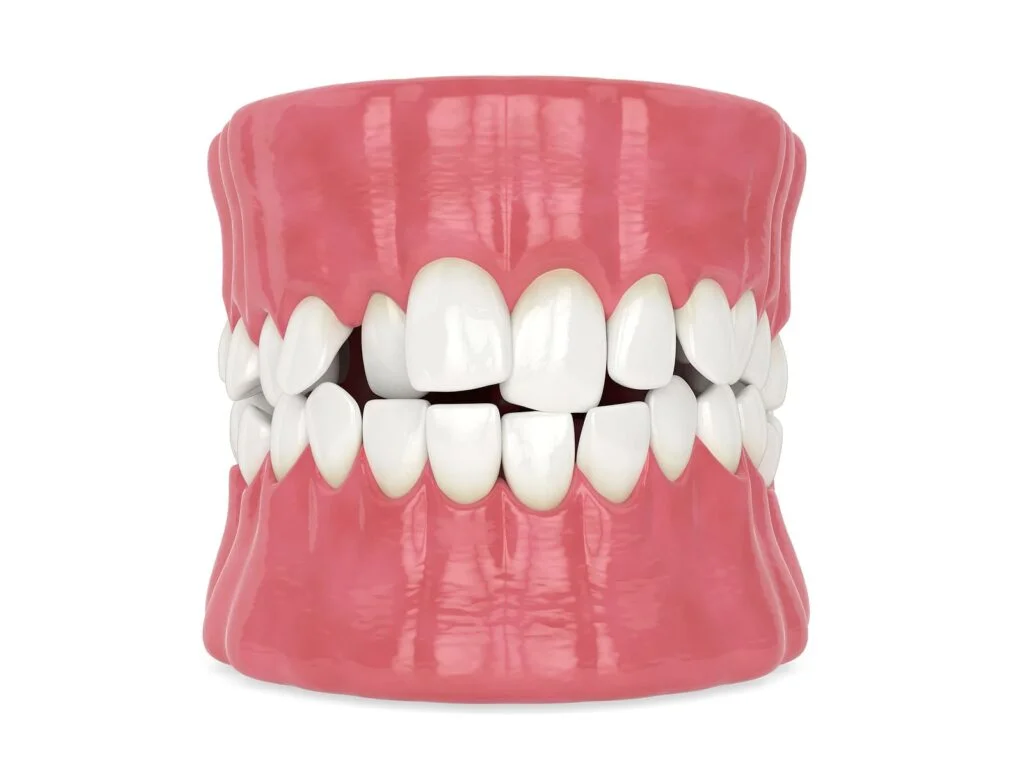
- slight crowding in the front teeth
- small gaps
- minor rotation
- teeth that have shifted after earlier orthodontic treatment
- cosmetic alignment concerns that do not involve a bigger functional problem
This is where the promise of “minimal treatment, maximum results” can be real. A small problem does not always need a big solution. If the concern is mostly what you see in the mirror and not a larger bite issue, a shorter plan may be enough to create a meaningful improvement.
When does short-term treatment stop making sense?
It stops making sense when the smile needs more than surface-level straightening.
If the bite is off, the crowding is more significant, the teeth need larger movement, or the case involves deeper structural concerns, a short plan can become the wrong plan. Faster is not better if the result is incomplete, unstable, or leaves the real problem untouched.
That is why short-term orthodontics should never be chosen just because the timeline sounds appealing. It has to match the actual condition of the teeth and bite. In the wrong case, limited treatment can improve appearance while still leaving behind the problems that matter most.
Who is usually a good candidate?

Adults are often the strongest candidates, especially when they want to improve a smile that bothers them but do not necessarily need full bite correction.
A good candidate usually has:
- mild to moderate cosmetic concerns
- realistic goals
- a bite that does not need major correction
- interest in a more limited plan
- willingness to wear retainers afterward
That last point matters. Even limited treatment still needs retention. Teeth do not stay put just because the treatment was short. Patients who do well with short-term orthodontics usually understand both the benefits and the limits from the beginning.
What are the real benefits of short-term orthodontics?
The benefits are real when the case is right.
Faster visible improvement
This is the biggest draw. Patients often like the idea of seeing a noticeable change without committing to the timeline of full treatment.
More focused treatment
Not every smile needs a comprehensive overhaul. When the concern is limited, a limited plan can feel more sensible.
A lower barrier to getting started
For adults who have postponed treatment for years, short-term orthodontics can feel more approachable than the idea of full braces.
Cosmetic improvement with less treatment
That balance is what makes it attractive in the first place. When the problem is small, a smaller treatment plan can be enough.
A more practical option for selected adult cases
For some adults, the question is not whether they want a perfect orthodontic finish. It is whether they can make a noticeable improvement in a way that fits their life, priorities, and comfort level. In those situations, short-term treatment can be a very reasonable answer. For the right patient, it can also be a practical form of cosmetic orthodontic treatment when the goal is focused improvement rather than full correction.
What are the limitations patients should understand?
This is where clarity matters most.
Short-term orthodontics can improve the appearance of a smile without correcting everything underneath. It may not fully address bite problems, arch form, jaw relationship, or more complicated tooth movement. In other words, it can make the smile look better without necessarily making it complete in a comprehensive orthodontic sense.
That does not make it a poor choice. It just means it should be chosen for the right reason.
A few limitations to keep in mind:
- it may not fully correct the bite
- it is not ideal for more severe crowding
- it depends heavily on proper diagnosis
- it still requires retention after treatment
- it can disappoint patients whose goals are broader than the treatment itself
For some patients, that tradeoff is perfectly acceptable. For others, it is not. The important thing is knowing which kind of patient you are before treatment begins.
How does it compare with full orthodontic treatment?
| Factor | Short-Term Orthodontics | Full Orthodontic Treatment |
|---|---|---|
| Main goal | Cosmetic improvement | Cosmetic and functional correction |
| Scope | Limited | Comprehensive |
| Best for | Minor alignment concerns | Mild to complex cases |
| Bite correction | Usually limited | Often a major part |
| Treatment time | Shorter | Longer |
| Long-term completeness | More selective | More complete |
That comparison gets to the heart of the issue. Short-term orthodontics is not “better” because it is shorter. It is better only when a limited plan is genuinely enough.
Full treatment usually aims for a more complete result. Short-term treatment aims for a narrower one. Neither is automatically right or wrong. The better choice depends on the case, the goals, and whether the patient is comfortable with what the treatment will and will not do.
What does the treatment process usually look like?
Even when treatment is shorter, the process still needs to be handled carefully.
1. Consultation and evaluation
The teeth, bite, and smile goals are assessed to see whether limited treatment is appropriate.
2. Case selection
This is the most important step. The question is not whether short-term treatment is available. The question is whether it is enough.
3. Treatment planning
A limited plan is created around the movements that actually need to happen.
4. Active treatment
Teeth are moved using the chosen system, often with a cosmetic or low-profile focus.
5. Retention
Retainers help protect the result and keep the teeth from slipping back.
The process may be simpler than comprehensive orthodontics, but it still depends on precision. Limited treatment only works well when the planning behind it is disciplined and realistic.
Is short-term orthodontics worth it for adults?
For many adults, yes.
It can be a very smart option when the concern is mild, the goal is cosmetic improvement, and the patient wants a treatment plan that feels efficient and realistic. Adults often appreciate having an option that respects both the problem and the pace they are comfortable with.
It can be especially appealing for adults who had braces years ago and have seen some minor shifting since then, or for adults who have always wanted straighter front teeth but do not need a full bite correction.
But short-term treatment becomes less worthwhile when it is being asked to do too much. If the case calls for fuller correction, a limited plan can end up feeling like a compromise instead of a solution.
So, is short-term orthodontics worth it?
It can be. For the right patient, it offers a practical way to improve a smile without taking on more treatment than necessary. It can work well for mild cosmetic concerns, front-tooth alignment issues, or smaller cases where the bite is already reasonably stable. It can also be the wrong choice when the smile needs more complete correction than a short plan can deliver.
That is why treatment selection matters so much. The goal is not simply to finish faster. The goal is to choose a plan that fits the problem honestly and gives the patient a result that looks right, functions well, and holds up over time.
Want to know whether a shorter treatment plan is enough for your smile?
That decision is worth getting right the first time.
At Centralia Orthodontics, Dr. F. Andrew Lasley offers complimentary exams and evaluates whether a limited plan will truly accomplish what the smile needs, or whether a more complete approach would create a better long-term result. That matters because good orthodontic treatment is not about doing as little as possible. It is about doing what is appropriate.
If you are considering a shorter treatment plan, the best next step is a professional evaluation that looks closely at the teeth, the bite, and the kind of result you actually want. In the right case, short-term orthodontics can be a smart, efficient option. In the wrong case, it can simply be too little.
FAQs
Is short-term orthodontics only cosmetic?
Most of the time, yes. It is generally aimed at improving visible alignment rather than fully correcting bite or jaw issues.
Can short-term orthodontics fix crowding?
Yes, but usually only when the crowding is mild enough for limited treatment to make sense. More severe crowding often needs a broader treatment plan.
Is short-term treatment always faster?
Usually, but that does not automatically make it better. A shorter plan is only worthwhile when it still delivers the right result for the smile.
Is short-term orthodontics usually for adults?
Often, yes. Adults are commonly the best fit because many are looking for focused cosmetic improvement rather than full comprehensive correction.
Do I still need retainers afterward?
Yes. Retention still matters, even after limited treatment. Teeth can shift back if the result is not maintained.
Can short-term orthodontics fix bite problems?
Sometimes only in a limited way. If the bite needs broader or more complete correction, a fuller treatment plan is often the better choice.
How do I know if I am a good candidate?
A consultation is the best way to find out. The key questions are how limited the problem is, whether the bite is stable, and whether your treatment goals match what short-term orthodontics can realistically deliver.


